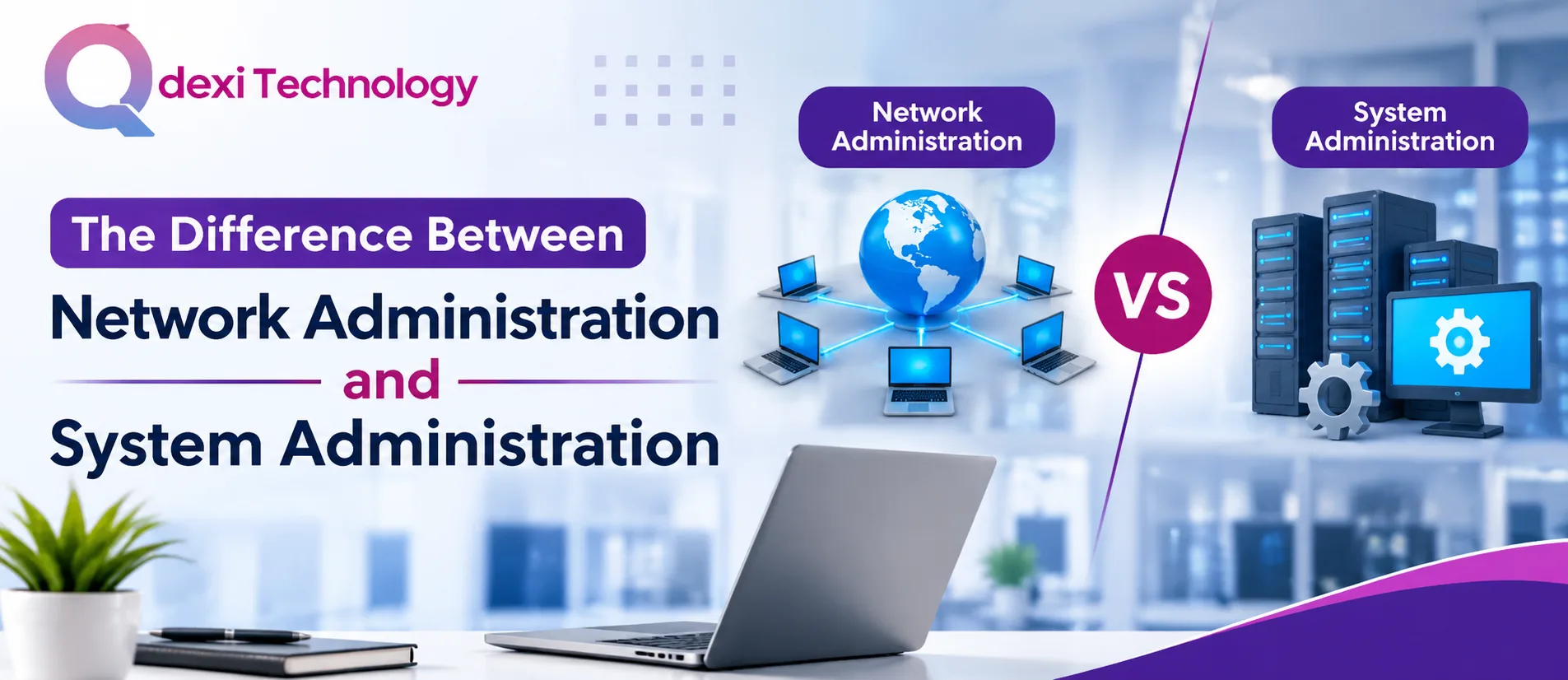
Technology plays an important role in keeping modern businesses connected, productive, and secure. Behind every smoothly operating organization are IT professionals who manage networks, servers, computers, and essential business applications. Two important IT functions that support these operations are network administration and system administration.
Although these roles often work together, they have different responsibilities and areas of focus. Understanding the difference helps businesses choose the right IT support, improve infrastructure performance, and maintain reliable digital operations. Professional Network & System Administration helps organizations manage their technology environments efficiently while reducing technical disruptions.
What Is Network Administration?
Network administration focuses on managing and maintaining the infrastructure that connects computers, servers, devices, and users. Network administrators ensure that information moves securely and efficiently between different systems.
Key Responsibilities of Network Administrators
Some important responsibilities include:
-
Network Configuration: Setting up routers, switches, firewalls, and wireless networks.
-
Network Security: Monitoring network traffic and protecting connections from unauthorized access.
-
Performance Monitoring: Identifying connectivity problems and improving network speed.
-
Troubleshooting: Resolving network outages, connection failures, and communication issues.
-
Access Management: Managing permissions and controlling access to network resources.
A properly managed network allows employees to communicate, access shared resources, and perform daily tasks without unnecessary interruptions.
What Is System Administration?
System administration focuses on managing individual computer systems, servers, operating systems, and software environments. System administrators ensure that hardware and software operate correctly and remain available to users.
Key Responsibilities of System Administrators
Their primary responsibilities include:
-
Server Management: Installing, configuring, and maintaining business servers.
-
Operating System Updates: Keeping Windows, Linux, and other operating systems updated.
-
User Account Management: Creating accounts and assigning appropriate permissions.
-
Data Backup: Maintaining backups and supporting disaster recovery procedures.
-
Software Maintenance: Installing applications, managing updates, and resolving system errors.
System administration helps businesses maintain stable IT environments and ensures that employees can access the tools required for their work.
Network Administration vs. System Administration: Key Differences
Both roles contribute to IT infrastructure management, but their priorities are different.
| Comparison | Network Administration | System Administration |
|---|---|---|
| Main Focus | Network connectivity | Computers and servers |
| Primary Responsibility | Managing network infrastructure | Managing operating systems and applications |
| Security | Network protection and traffic monitoring | System security and user permissions |
| Equipment | Routers, switches, firewalls | Servers, desktops, storage systems |
| Performance | Network speed and connectivity | System stability and performance |
| Troubleshooting | Connection and communication issues | Software and server-related problems |
In simple terms, network administrators manage how devices communicate, while system administrators manage the devices and systems themselves.
Why Do Businesses Need Both Administrations?
Modern organizations depend on interconnected IT environments. A reliable network cannot function effectively without properly maintained systems, and well-managed servers need stable network connections to remain accessible.
Combining both functions provides several advantages:
-
Improved Productivity: Employees experience fewer technical interruptions.
-
Better Security: Network and system-level protection reduces potential vulnerabilities.
-
Reliable Performance: Regular monitoring helps identify problems early.
-
Data Protection: Backup strategies support business continuity.
-
Efficient IT Management: Coordinated administration simplifies infrastructure maintenance.
Businesses investing in digital solutions, such as PHP CMS Development Services, also need reliable infrastructure to support their websites, databases, and applications.
How IT Administration Supports Different Digital Businesses
Technology management is essential across industries. For example, companies offering Pinterest Advertising Services depend on reliable systems to manage campaigns, access marketing data, and coordinate digital activities.
Similarly, organizations implementing a Plan Social Media Marketing Campaign Strategy require dependable connectivity and system availability to manage content, analytics, and communication.
Even specialized sectors, including businesses providing Porch Home Services, benefit from stable IT systems for scheduling, customer records, and service management.
A Top Web Design Company also relies on properly configured systems and networks to support development environments, manage projects, and deliver websites efficiently.
For businesses offering Travel Website Development Services, reliable servers and network infrastructure are important for managing bookings, customer information, and website performance.
Companies using a Trend Video Creation Service also need dependable storage, processing systems, and network connectivity to manage large media files and creative workflows.
Choosing the Right IT Administration Support
Businesses should evaluate their infrastructure, security requirements, operational needs, and future growth plans before selecting IT administration support.
Experienced IT professionals can help organizations monitor infrastructure, manage servers, troubleshoot connectivity issues, and maintain secure technology environments.
Qdexi Technology supports businesses with technology-focused solutions that help improve digital operations and infrastructure management. Choosing the right IT support approach can make everyday business processes more reliable and efficient.
Frequently Asked Questions (FAQs)
1. What is the main difference between network and system administration?
Network administration manages connectivity between devices, while system administration manages servers, operating systems, software, and user accounts.
2. Can one person handle both network and system administration?
Yes. In small businesses, one IT professional may manage both responsibilities. Larger organizations often employ separate specialists.
3. Which administration role focuses on cybersecurity?
Both roles contribute to cybersecurity. Network administrators protect network infrastructure, while system administrators secure servers, operating systems, and user accounts.
4. Why is IT administration important for businesses?
It helps maintain reliable technology, improve security, reduce downtime, and support uninterrupted business operations.
Conclusion
Network administration and system administration are two essential parts of modern IT infrastructure. While network administrators focus on connectivity and communication, system administrators maintain the systems, servers, and applications that businesses use every day.
Organizations that understand these differences can make better IT management decisions, strengthen security, and improve operational efficiency. With the right technical support and infrastructure management, businesses can build a more reliable foundation for long-term digital growth.
#NetworkAdministration #SystemAdministration #ITServices #NetworkSecurity #ITInfrastructure #QdexiTechnology