As businesses increasingly depend on websites, applications, cloud platforms, and connected systems, maintaining strong cybersecurity has become an essential part of digital operations. Security weaknesses can exist in software, networks, configurations, and user access controls, creating opportunities for unauthorized activity.
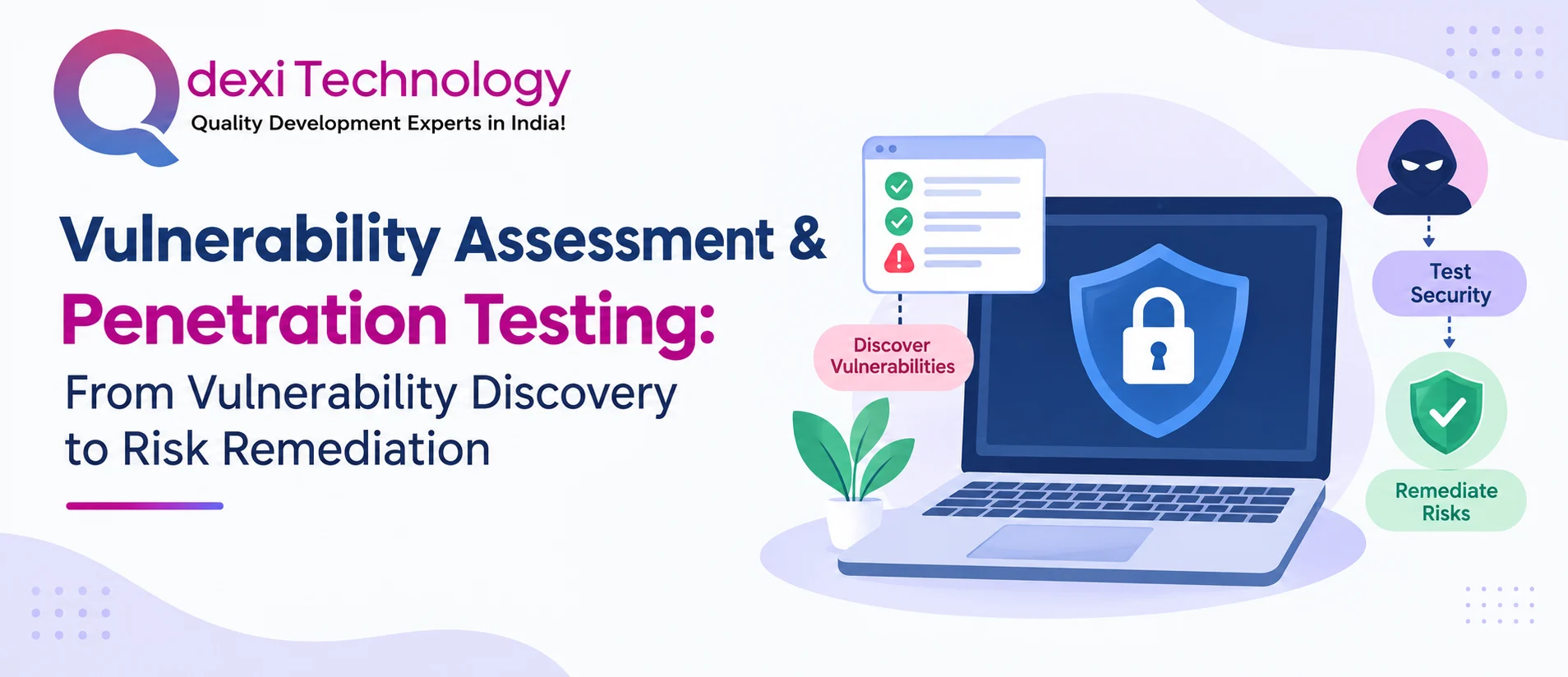
Vulnerability Assessment & Penetration Testing helps organizations identify these weaknesses and understand how they could affect their digital environment. Rather than waiting for a security incident to reveal a problem, businesses can use structured security testing to discover risks and take appropriate corrective measures.
Understanding Vulnerability Discovery
Vulnerability discovery is an important starting point in the security assessment process. It involves identifying weaknesses that may exist across an organization's IT infrastructure.
These weaknesses can be related to outdated software, incorrect configurations, exposed services, insecure applications, weak authentication mechanisms, or other technical issues. Finding such problems early gives security teams an opportunity to address them before they become more serious.
A vulnerability assessment generally focuses on identifying and documenting potential security weaknesses. The findings can then be reviewed according to their severity, affected systems, and potential business impact.
How Penetration Testing Adds Deeper Insight
While vulnerability assessment helps identify possible weaknesses, penetration testing takes the process further by safely testing whether identified weaknesses can actually be exploited within an authorized scope.
Professional penetration testing may examine areas such as:
-
Web applications and APIs
-
Network infrastructure
-
Cloud environments
-
Authentication and access controls
-
Mobile applications
-
External-facing systems
The objective is not simply to find vulnerabilities but to understand their practical security implications. Testing results can help organizations determine which weaknesses require immediate attention and which can be addressed through longer-term security improvements.
From Security Findings to Risk Remediation
Discovering a vulnerability is only the beginning. Effective cybersecurity requires organizations to turn assessment findings into practical remediation actions.
Risk remediation may involve updating software, changing configurations, strengthening authentication, improving access controls, modifying application code, or implementing additional security safeguards. The appropriate solution depends on the nature and severity of the identified issue.
A structured remediation process can include:
-
Reviewing and validating the security finding.
-
Determining its potential impact on business operations.
-
Prioritizing vulnerabilities according to risk.
-
Applying appropriate technical or operational fixes.
-
Retesting the affected system to verify the improvement.
This approach helps organizations move from simply knowing about security problems to actively reducing their exposure.
Why Regular Security Testing Matters
Cybersecurity is not a one-time activity. New vulnerabilities can emerge as software changes, systems are updated, applications evolve, and businesses introduce new digital services.
Regular Vulnerability Assessment & Penetration Testing can help organizations maintain better visibility into their security posture. Periodic testing can also support internal security programs by providing documented findings that security and IT teams can use when planning improvements.
Businesses working with experienced cybersecurity professionals can also benefit from a structured assessment process that connects vulnerability discovery with remediation planning.
Building a Proactive Security Strategy
A proactive approach allows businesses to treat security testing as part of their broader technology management strategy. Instead of responding only after an incident, organizations can regularly review their systems and address weaknesses based on their risk profile.
Qdexi Technology can support businesses in strengthening their digital security approach through structured Vulnerability Assessment & Penetration Testing practices. By focusing on vulnerability identification, risk analysis, and remediation, organizations can make informed improvements to their security infrastructure.
Conclusion
From discovering vulnerabilities to validating remediation, security testing provides organizations with valuable insight into the condition of their digital environment. Vulnerability Assessment & Penetration Testing can help businesses identify weaknesses, understand potential risks, and prioritize appropriate security improvements.
With a systematic approach and ongoing security reviews, businesses can create a stronger foundation for protecting applications, networks, systems, and sensitive information. Qdexi Technology can help organizations approach security testing as an ongoing part of responsible digital infrastructure management.
#VulnerabilityAssessment #PenetrationTesting #QdexiTechnology #CyberSecurity #CyberSecurityServices #SecurityTesting #VulnerabilityManagement #RiskAssessment #RiskRemediation #NetworkSecurity #ApplicationSecurity #DataSecurity #InformationSecurity #CyberResilience #DigitalSecurity