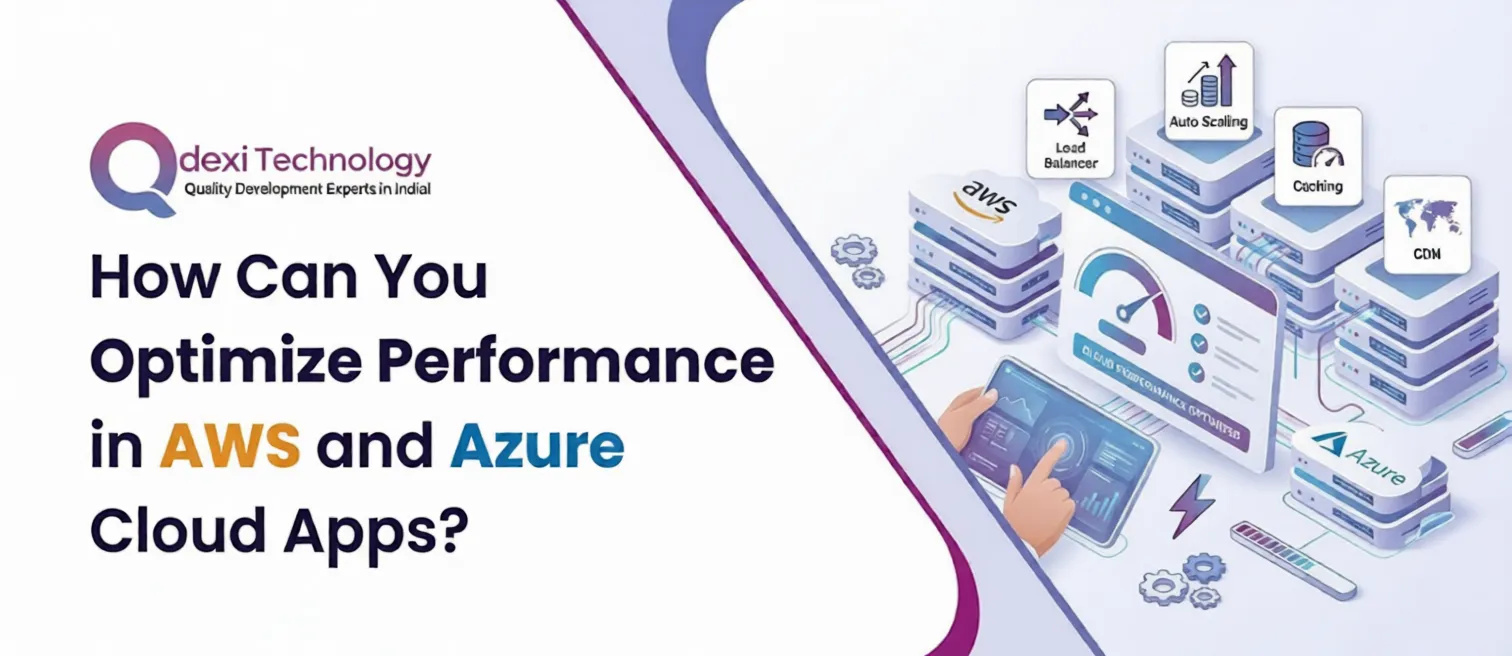
Cloud platforms like Amazon Web Services (AWS) and Microsoft Azure have transformed how applications are built, deployed, and scaled. However, simply moving to the cloud does not guarantee high performance. To get the best results, businesses must actively optimize their applications for speed, scalability, and efficiency. Whether you rely on AWS / Azure cloud support or manage systems internally, performance optimization is essential for delivering a seamless user experience.
Why Cloud Performance Optimization Matters
Performance directly impacts user satisfaction, operational efficiency, and overall business success. Slow or unreliable applications can lead to poor engagement and lost opportunities.
By leveraging modern cloud computing services, organizations can improve response times, reduce latency, and ensure consistent performance across different regions and devices.
Choose the Right Architecture
The foundation of a high-performing cloud application lies in its architecture. Designing your system to align with cloud-native principles is critical.
Use Microservices Architecture
Breaking applications into smaller, independent services allows better scalability and flexibility. Each component can be optimized and scaled individually.
Adopt Serverless Computing
Serverless solutions automatically manage infrastructure and scale based on demand. This reduces overhead and improves performance for variable workloads.
Modern aws azure cloud computing strategies often combine microservices and serverless approaches to maximize efficiency.
Optimize Resource Allocation
Efficient use of resources is key to performance optimization.
Right-Sizing Instances
Choose the appropriate virtual machine size based on workload requirements. Over-provisioning wastes resources, while under-provisioning affects performance.
Auto-Scaling
Enable auto-scaling to adjust resources dynamically based on traffic. This ensures that your application can handle spikes without slowing down.
With proper aws azure cloud services, businesses can automate scaling and maintain consistent performance.
Improve Application Performance
Optimizing the application itself is just as important as optimizing infrastructure.
Code Optimization
Write efficient code to reduce processing time and resource usage. Regular code reviews and performance testing can help identify bottlenecks.
Use Caching
Caching frequently accessed data reduces load on servers and speeds up response times. Tools like in-memory caching systems can significantly improve performance.
Optimize APIs
Ensure APIs are lightweight and efficient. Reduce unnecessary data transfer and use compression techniques to improve speed.
Enhance Database Performance
Databases often become a bottleneck in cloud applications. Optimizing database performance is essential for overall efficiency.
Use Managed Database Services
Managed databases provided by cloud platforms offer built-in performance optimization, backups, and scaling.
Indexing and Query Optimization
Proper indexing and optimized queries reduce response times and improve data retrieval speed.
Database Scaling
Use horizontal or vertical scaling based on your application needs. This ensures that your database can handle increasing workloads.
Leverage Content Delivery Networks (CDNs)
A Content Delivery Network (CDN) distributes your content across multiple locations, reducing latency and improving load times.
By using CDNs, users can access data from servers closer to their location, enhancing performance globally. This is a common practice in advanced cloud computing services.
Monitor and Analyze Performance
Continuous monitoring is essential for identifying and resolving performance issues.
Use Monitoring Tools
Both AWS and Azure provide built-in monitoring tools that track metrics such as CPU usage, memory, and response times.
Set Alerts
Configure alerts to notify your team of performance issues before they impact users.
Analyze Logs
Regularly review logs to identify patterns and troubleshoot problems effectively.
With the help of AWS / Azure cloud support, businesses can implement advanced monitoring strategies for better performance management.
Optimize Network Performance
Network latency can significantly affect application performance.
Use Load Balancers
Load balancers distribute traffic evenly across servers, preventing overload and improving response times.
Optimize Data Transfer
Reduce unnecessary data transfer and use compression to improve network efficiency.
Choose the Right Region
Deploy your application in regions closer to your target audience to minimize latency.
Security and Performance Balance
While security is critical, it should not compromise performance. Implement efficient security measures that protect your application without slowing it down.
For example, use optimized encryption methods and secure authentication protocols. Many aws azure cloud services offer built-in security features that balance protection and performance.
Regular Testing and Optimization
Performance optimization is not a one-time task. Regular testing ensures that your application continues to perform well as it evolves.
Load Testing
Simulate high traffic to see how your application performs under stress.
Performance Testing
Identify bottlenecks and optimize components accordingly.
Continuous Improvement
Update your application regularly to incorporate new technologies and best practices.
Benefits of Optimizing Cloud Applications
Optimizing performance offers several advantages:
- Faster response times
- Improved user experience
- Better resource utilization
- Reduced operational costs
- Increased scalability
These benefits make optimization a crucial part of any cloud strategy.
Common Mistakes to Avoid
Many organizations face performance issues due to avoidable mistakes:
- Ignoring monitoring and analytics
- Overlooking database optimization
- Using inefficient code
- Not enabling auto-scaling
Avoiding these pitfalls ensures smoother and more efficient cloud operations.
Conclusion
Optimizing performance in AWS and Azure cloud apps requires a combination of smart architecture, efficient resource management, and continuous monitoring. By leveraging modern cloud computing services and adopting best practices, businesses can deliver high-performing applications that meet user expectations.
Whether you rely on AWS / Azure cloud support or manage your infrastructure independently, focusing on performance optimization ensures long-term success. With the right approach to aws azure cloud computing, organizations can achieve scalability, reliability, and efficiency in today’s competitive digital landscape.