In today’s digital world, creating a successful website or application requires more than just attractive visuals. Businesses need user-friendly designs, smooth functionality, and seamless user experiences. However, without proper planning, design projects often face usability issues, navigation problems, and costly revisions. This is where wireframing & prototyping become essential in modern design processes.
Wireframes and prototypes help designers identify problems early, improve collaboration, and reduce errors before development begins. They are now considered critical stages in website UI/UX design because they allow teams to test ideas and improve user experiences before final implementation.
What Is Wireframing?
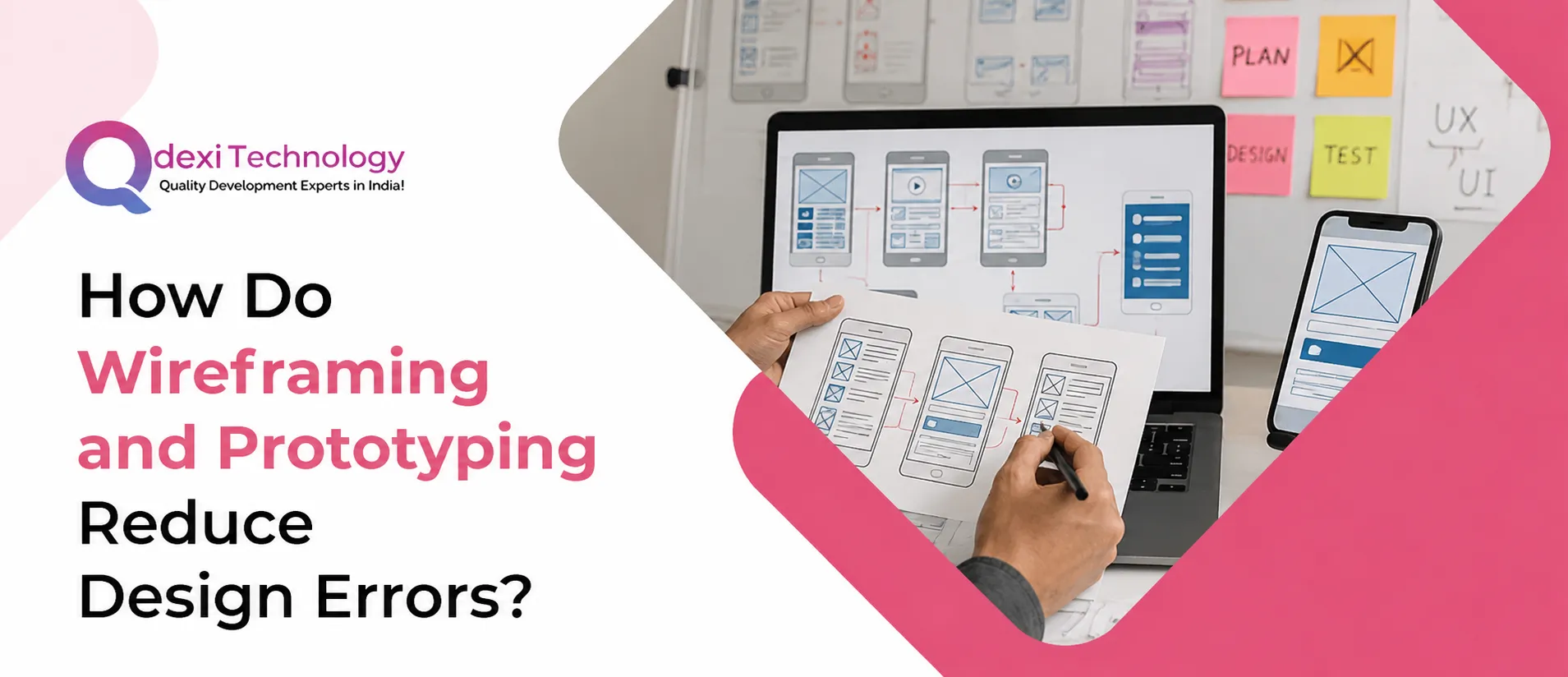
Wireframing is the process of creating a simple visual structure of a website or application. A wireframe acts like a blueprint that outlines the layout and placement of important elements.
A wireframe typically includes:
- Navigation menus
- Buttons
- Content sections
- Images and icons
- User flow structure
The purpose of wireframing is to focus on functionality and layout instead of colors or detailed visuals.
In wireframing and prototyping in UI/UX Design, wireframes are usually the first step toward building a user-friendly digital product.
What Is Prototyping?
Prototyping is the process of creating an interactive version of a design to simulate how users will interact with the final product.
Unlike wireframes, prototypes allow the following:
- Clickable navigation
- User interaction testing
- Animation previews
- Workflow demonstrations
Prototypes help teams understand how the final product will function before actual development starts.
Together, wireframing and prototyping create a strong foundation for successful UI/UX projects.
Importance of Wireframing & Prototyping for UI/UX
Modern businesses rely heavily on digital platforms, making user experience extremely important. Poor design can lead to confusion, frustration, and lower customer engagement.
Wireframing & prototyping for UI/UX helps businesses:
- Visualize design ideas early
- Improve usability
- Detect issues before development
- Save time and costs
- Enhance collaboration among teams
These processes ensure that the final product meets both business goals and user expectations.
How Wireframing Reduces Design Errors
1. Improves Layout Planning
Wireframes help designers organize content and structure before development begins.
This allows teams to:
- Plan navigation clearly
- Arrange content effectively
- Improve page hierarchy
By identifying layout problems early, businesses avoid costly redesigns later.
2. Simplifies User Flow Analysis
A wireframe helps teams understand how users will navigate through a website or application.
Designers can test:
- Navigation paths
- User journeys
- Call-to-action placements
This reduces usability errors and improves overall user experience.
3. Encourages Early Feedback
Wireframes are simple and easy to modify. Stakeholders can review layouts early and provide feedback before development begins.
This reduces:
- Miscommunication
- Design misunderstandings
- Unnecessary revisions
Early collaboration minimizes future errors significantly.
How Prototyping Reduces Design Errors
1. Tests Real User Interaction
Prototypes simulate how users interact with a website or app. This helps designers identify usability issues before launch.
Testing interactive elements reduces:
- Navigation confusion
- Broken workflows
- User frustration
This is why UI/UX wireframing and prototyping are essential in modern product design.
2. Improves User Experience
Prototyping allows teams to evaluate the complete user journey.
Businesses can test:
- Button placements
- Screen transitions
- Interaction speed
- Accessibility features
Enhancing these aspects contributes to a more seamless and interesting experience.
3. Reduces Development Costs
Fixing design issues during development is often expensive and time-consuming.
With wireframing, prototyping, and testing, businesses can identify problems early and avoid unnecessary coding changes later.
This leads to:
- Faster development cycles
- Lower project costs
- Better resource management
Role of Testing in Wireframing and Prototyping
Testing is a major part of the design process. Through usability testing, businesses can observe how users interact with prototypes.
This helps identify:
- Navigation difficulties
- Confusing layouts
- Slow interaction flows
- Accessibility problems
Effective wireframing, prototyping, and testing improve design quality and user satisfaction.
Wireframing Prototyping Tools Used by Designers
Modern designers use various wireframing prototyping tools to create layouts and interactive prototypes.
Popular tools include:
- Figma
- Adobe XD
- Sketch
- InVision
- Axure RP
These tools help teams collaborate efficiently and streamline design workflows.
Importance of Visual Elements in Prototypes
Visual details such as icons and interface components also play an important role in user experience.
A well-designed wireframing & prototyping icon system helps the following:
- Improve navigation clarity
- Enhance visual communication
- Make interfaces more user-friendly
Consistent icon design contributes to better usability and cleaner interfaces.
Wireframing and Prototyping in Website UI/UX Design
In website UI/UX design, wireframes and prototypes help businesses create websites that are both visually appealing and easy to use.
These processes ensure:
- Responsive layouts
- User-friendly navigation
- Clear content organization
- Better interaction flow
By testing ideas before development, businesses can reduce errors and improve customer satisfaction.
Common Design Errors Prevented by Wireframing and Prototyping
Some common issues avoided through these processes include:
- Poor navigation structure
- Inconsistent layouts
- Confusing user flows
- Weak call-to-actions
- Accessibility problems
Identifying these issues early leads to more polished digital products.
Future of Wireframing and Prototyping
The future of wireframing & prototyping is evolving with advanced technologies such as the following:
- AI-powered design tools
- Interactive 3D prototypes
- Voice interface testing
- Real-time collaboration platforms
These innovations will make UI/UX design more efficient and user-focused.
Conclusion
Wireframing and prototyping are essential stages in modern digital design. They help businesses visualize layouts, test functionality, and improve user experiences before development begins.
From wireframing & prototyping for UI/UX to advanced wireframing prototyping tools, these processes reduce errors, save costs, and improve collaboration. Whether creating websites or applications, wireframing and prototyping in UI/UX Design ensure that products are functional, user-friendly, and aligned with business goals. By integrating UI/UX wireframing and prototyping into every design project, businesses can create better digital experiences while minimizing costly design mistakes.