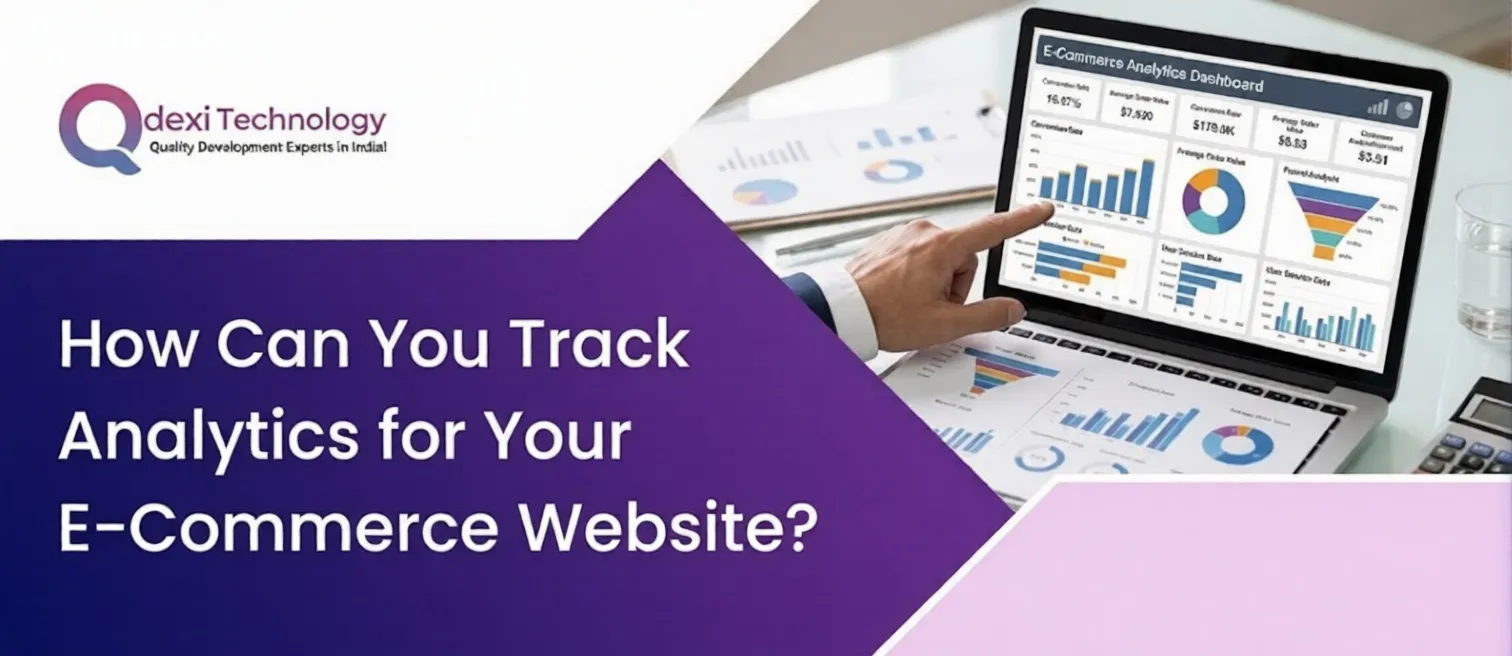
Running an online store is not just about listing products and waiting for sales. To succeed in today’s competitive digital space, you need to understand how visitors interact with your site. This is where analytics plays a vital role. By tracking data effectively, you can make informed decisions that improve user experience, boost conversions, and support long-term growth. Whether you are starting with an e-commerce website builder or investing in advanced e-commerce website development, analytics is the key to success.
Why Analytics Matters for E-Commerce
Analytics helps you understand what’s working and what’s not on your website. It provides insights into customer behavior, traffic sources, and purchasing patterns. Without proper tracking, you’re essentially guessing your next move.
When you use reliable analytics services, you gain access to valuable data such as the number of visitors, popular products, and user journeys. This information allows you to optimize your website and marketing strategies for better results.
Key Metrics to Track
To make the most of your analytics, focus on these essential metrics:
1. Website Traffic
Understanding how many people visit your site is the first step. You can also analyze where your traffic is coming from, such as search engines, social media, or paid ads. This helps you identify the most effective channels for attracting customers.
2. Conversion Rate
Conversion rate shows the percentage of visitors who complete a desired action, such as making a purchase. A low conversion rate may indicate issues with your website design, pricing, or checkout process.
3. Bounce Rate
The percentage of visitors who leave your website after only reading one page is known as the bounce rate. A high bounce rate can signal poor user experience or irrelevant content.
4. Average Order Value (AOV)
This metric helps you understand how much customers spend on average. Increasing AOV can significantly boost your revenue without increasing traffic.
5. Customer Behavior
Tracking how users navigate your site provides insights into their preferences. You can see which pages they visit, how long they stay, and where they drop off.
Tools to Track E-Commerce Analytics
There are several tools available to help you monitor your website’s performance. Many analytics services offer user-friendly dashboards and detailed reports.
- Google Analytics: A widely used tool that tracks traffic, user behavior, and conversions.
- Google Search Console: Helps monitor your website’s performance in search results.
- Heatmap Tools: Show where users click and scroll, helping you optimize layout and design.
- E-Commerce Platform Analytics: Many platforms provide built-in analytics features.
If you’re using an e-commerce website builder, you may already have access to basic analytics tools. However, integrating advanced solutions can provide deeper insights.
Setting Up Analytics for Your Website
1. Define Your Goals
Before tracking anything, decide what you want to achieve. This could include increasing sales, improving user engagement, or reducing cart abandonment.
2. Install Tracking Tools
Add tracking codes to your website to start collecting data. Most tools provide simple instructions for integration, whether you’re using a custom platform or an e-commerce website builder.
3. Set Up E-Commerce Tracking
Enable e-commerce tracking features to monitor transactions, revenue, and product performance. This step is essential for understanding your store’s success.
4. Monitor and Analyze Data
Regularly review your analytics reports to identify trends and patterns. Look for areas that need improvement and test different strategies.
How Analytics Improves E-Commerce Performance
Better Decision-Making
Analytics eliminates guesswork by providing data-driven insights. You can make informed decisions about marketing campaigns, product offerings, and website design.
Improved User Experience
By understanding user behavior, you can optimize navigation, page speed, and content. This creates a smoother shopping experience and encourages repeat visits.
Increased Sales
Tracking customer journeys helps you identify and fix issues in the buying process. This leads to higher conversion rates and increased revenue.
Effective Marketing Strategies
Analytics shows which marketing channels deliver the best results. You can focus your efforts on strategies that generate the most traffic and sales.
Common Mistakes to Avoid
While tracking analytics is essential, there are some common mistakes to watch out for:
- Ignoring Data: Collecting data without analyzing it is a missed opportunity.
- Focusing on Vanity Metrics: Metrics like page views are important, but they don’t always reflect business success.
- Not Setting Clear Goals: Without defined objectives, it’s difficult to measure progress.
- Overcomplicating Reports: Keep your analysis simple and focused on actionable insights.
The Role of Professional Analytics Services
For businesses looking to scale, professional analytics services can provide advanced insights and customized solutions. Experts can help you set up tracking, interpret data, and implement strategies that drive growth. This is especially useful for large-scale e-commerce website development projects where data complexity increases.
Conclusion
Tracking analytics is essential for the success of any online store. It helps you understand your audience, improve performance, and make smarter decisions. Whether you’re using an e-commerce website builder or investing in custom e-commerce website development, integrating analytics into your strategy is a must.
By focusing on key metrics, using the right tools, and regularly analyzing data, you can unlock the full potential of your website. With the support of reliable analytics services, your e-commerce business can achieve sustainable growth and long-term success.